Picture this: You slip on a VR headset, and suddenly, you’re standing on a windswept mountain, sword in hand, heart pounding. You can almost feel the chill in the air. That’s the magic of VR game development services—turning wild ideas into worlds you can touch, hear, and explore. If you’ve ever wondered how these digital dreams become reality, or if you’re thinking about building your own VR game, you’re in the right place.
Why VR Game Development Services Matter Right Now
VR isn’t just a buzzword anymore. In 2024, over 171 million people use VR worldwide, and the market for VR game development services keeps growing. But here’s the part nobody tells you: making a VR game isn’t just about cool graphics or fancy tech. It’s about creating moments that stick with players long after they take off the headset.
Think about the first time you played Beat Saber or Half-Life: Alyx. Remember the rush? That’s what great VR game development services deliver—experiences that feel real, personal, and unforgettable.
What Do VR Game Development Services Actually Do?
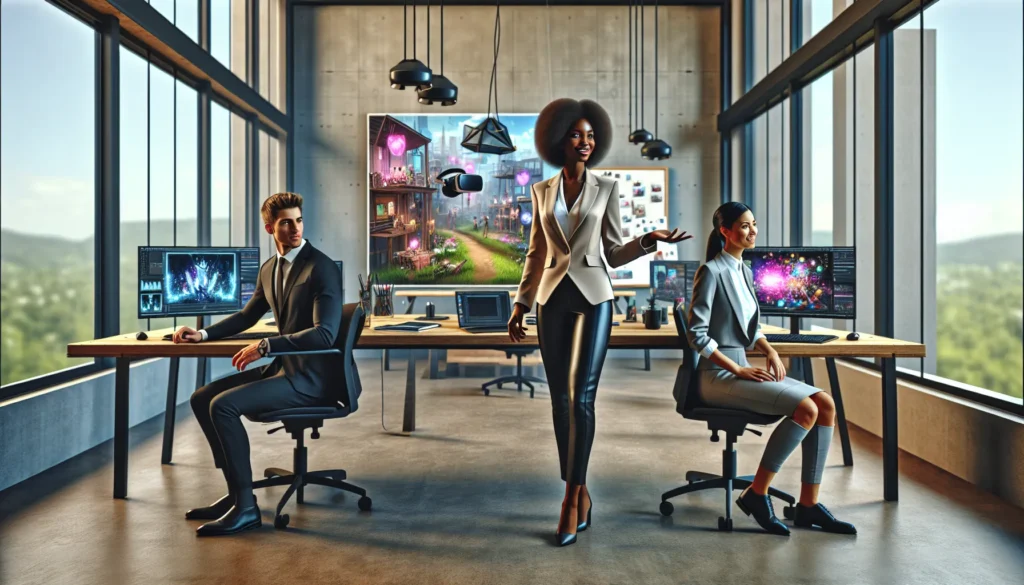
If you picture a team of coders in dark rooms, you’re only half right. VR game development services bring together artists, designers, writers, and engineers. They turn napkin sketches into playable adventures. Here’s what they handle:
- Concept and Story: Every great VR game starts with a story. Developers help shape your idea into something players care about.
- Design and Prototyping: They build early versions, test mechanics, and tweak until it feels just right.
- 3D Art and Animation: Artists create the worlds, characters, and effects that make VR feel alive.
- Programming: Engineers handle the code, making sure everything runs smoothly on different VR platforms.
- Testing and QA: Real people play the game, break it, and help fix bugs before launch.
- Launch and Support: After release, teams update the game, fix issues, and sometimes add new content.
Here’s why this matters: VR game development services don’t just build games—they build experiences that can change how people see the world.
What Makes a Great VR Game?
Let’s break it down. A great VR game isn’t just a regular game in 3D. It’s built for the senses. You need:
- Intuitive Controls: If players fumble with buttons, they’ll quit. The best VR games feel natural—like reaching out and grabbing something in real life.
- Immersive Audio: Sound matters. Footsteps behind you, wind in your ears, the crackle of fire—these details pull you in.
- Comfort: Motion sickness is real. Smart developers design movement and camera angles to keep players comfortable.
- Replay Value: The best VR games give you reasons to come back—hidden secrets, new challenges, or just the joy of being in that world again.
If you’re hiring VR game development services, ask about these details. The difference between a good game and a great one often comes down to the little things.
Who Should Use VR Game Development Services?
Here’s the truth: VR game development services aren’t for everyone. If you want a quick, cheap mobile game, VR probably isn’t your best bet. But if you want to create something players will remember—something that makes them gasp, laugh, or even cry—VR is worth it.
These services are perfect for:
- Game studios ready to push boundaries
- Brands looking to create unforgettable marketing experiences
- Educators who want to make learning feel like an adventure
- Anyone with a wild idea and the drive to see it through
If you’re not ready to invest time and resources, or if you just want a quick win, VR game development services might not be for you. But if you’re in it for the long haul, the payoff can be huge.
Common Mistakes (And How to Avoid Them)
Let’s get real. Even the best teams mess up. Here are a few lessons learned the hard way:
- Ignoring Player Comfort: Early VR games made people dizzy. Now, smart developers test for comfort at every step.
- Overcomplicating Controls: If it takes a manual to play, you’ve lost your audience. Keep it simple.
- Forgetting the Story: Cool tech isn’t enough. Players want a reason to care. Even a simple story can make a huge difference.
- Skipping Testing: Bugs in VR feel worse than on a flat screen. Always test with real players.
Here’s the part nobody tells you: Most great VR games started as something else. Developers tried, failed, and tried again. That’s normal. The key is to learn fast and keep going.
How to Choose the Right VR Game Development Services
Not all VR game development services are created equal. Here’s what to look for:
- Experience: Ask for examples. Have they shipped VR games before? What platforms do they know?
- Communication: You want a team that listens, explains, and keeps you in the loop.
- Creativity: Look for teams that bring ideas, not just code. The best games come from collaboration.
- Support: VR games need updates. Make sure your team sticks around after launch.
If you’ve ever struggled to get a developer to call you back, you know how important this is. A good team feels like a partner, not just a vendor.
What’s Next for VR Game Development Services?
VR keeps changing. New headsets, better graphics, smarter AI—every year brings something new. But here’s the secret: The best VR games still come from people who care about the player’s experience. Technology helps, but heart matters more.
If you’re thinking about building a VR game, start with the experience you want to create. Find VR game development services that get it. Ask hard questions. Share your wildest ideas. And don’t be afraid to fail—every great game started with a risk.
Ready to step into a new world? The future of play is waiting. And with the right VR game development services, you can help build it.