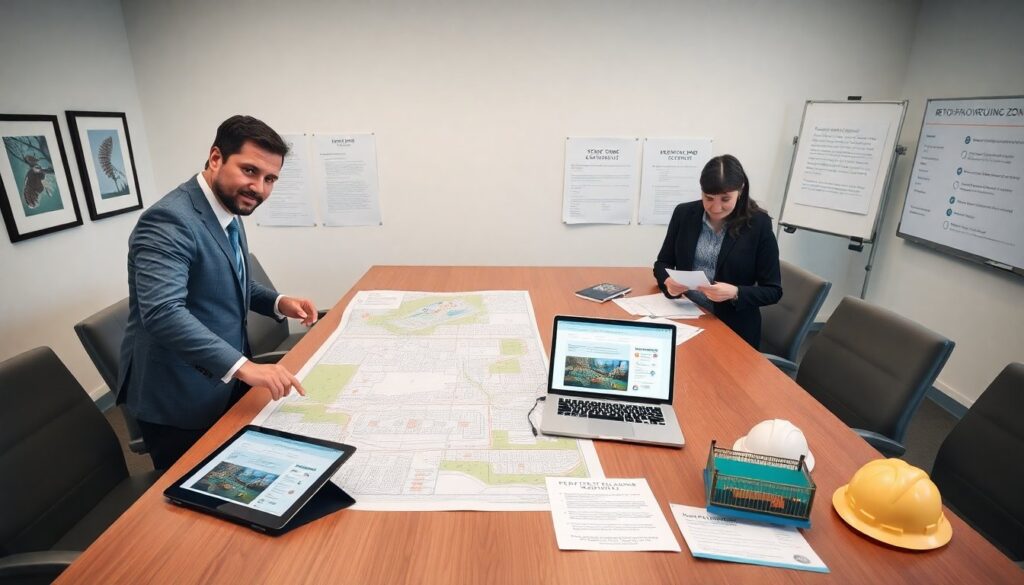
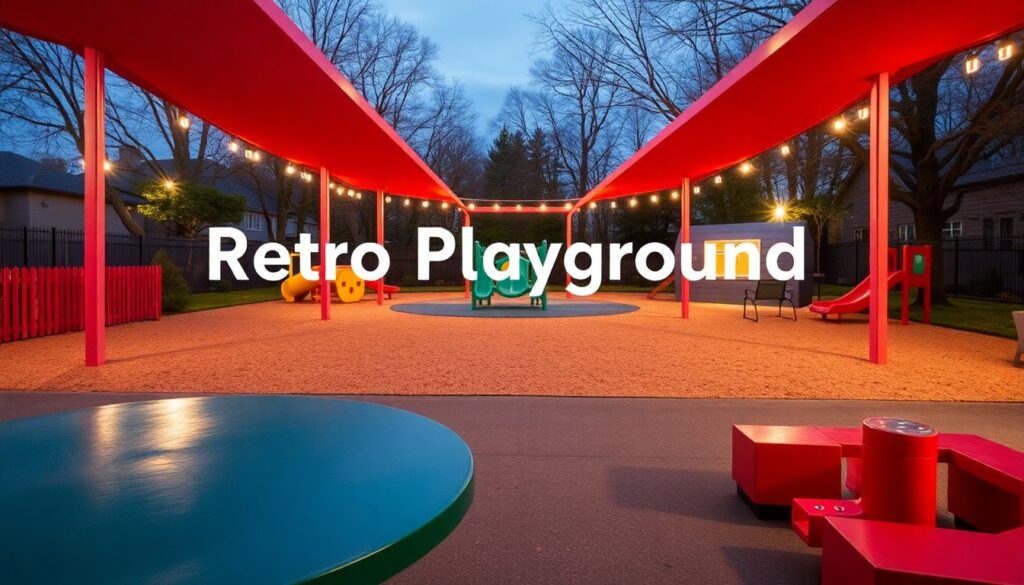
retroplayground-zoning.com explains practical steps for owners and planners. The guide states clear aims and simple rules. It shows how to evaluate risks, meet code, and protect historic value. The guide keeps language direct. It helps teams act fast and avoid fines while keeping vintage play equipment in use.
Key Takeaways
- retroplayground-zoning.com provides clear, practical guidelines to help owners and planners comply with zoning rules while preserving vintage playgrounds.
- Early communication with local zoning offices and thorough site assessments speed permit approvals and help avoid fines.
- Maintaining original playground features where safe, and using modern materials that match the vintage look, balances historic preservation with current safety standards.
- Checklist steps include inspecting structures, measuring fall zones, testing surfacing and drainage, and confirming accessibility and emergency access.
- Accessibility and safety improvements like impact-absorbing surfaces and accessible routes are critical for extended use and compliance.
- Routine inspections, documentation, and collaboration with preservation officers ensure ongoing safety, reduce liability, and support historic preservation efforts.
What Is Retro Playground Zoning And Why It Matters
Local governments set rules that affect older playgrounds. retroplayground-zoning.com defines these rules as zoning adjustments and compliance paths for vintage play spaces. The rules cover use, setbacks, surfacing, and structure condition. They also address liability and public access. Planners cite these items when they review permits.
Heritage groups value original fixtures. retroplayground-zoning.com notes that many communities want to keep original slides, swings, and metal climbers. The rules hence balance safety and preservation. Fines and closure risk follow noncompliance. Owners who ignore code face higher insurance costs. retroplayground-zoning.com recommends early contact with the zoning office to reduce delay.
Municipal staff use clear standards to approve retro play areas. retroplayground-zoning.com lists typical standards: age-appropriate zones, impact-absorbing surfacing, anchor checks, and accessible routes. These standards reduce injury and increase access. They also help sites stay open longer while keeping their vintage look.
Site Assessment And A Practical Compliance Checklist
Assess the site in a fixed order. retroplayground-zoning.com advises teams to inspect structures first. They should record material type, rust, and fastener condition. They should note changes from original plans.
Next, measure clear zones and fall heights. retroplayground-zoning.com provides a table of common fall heights and required clear space. Teams should compare measurements with local code. They should mark areas for new surfacing.
Then, test surfacing and drainage. retroplayground-zoning.com recommends impact tests and permeability checks. Poor drainage raises slip and rot risk. Teams should plan for grade correction if water pools.
Finally, document access and signage. retroplayground-zoning.com asks teams to confirm an accessible route and an accessible play surface. It asks for emergency access, visible signage for age limits, and maintenance logs. Teams should compile photos, measurements, and a short report.
Practical checklist (short):
- Inspect structures and fasteners.
- Measure fall heights and clear zones.
- Test surfacing and drainage.
- Confirm accessible routes and emergency access.
- Collect documentation for permits.
retroplayground-zoning.com stresses that thorough records speed permit approval. The site adds that inspectors often accept phased upgrades when owners provide a clear plan and timeline.
Design Strategies To Preserve Retro Character While Meeting Rules
Designers can keep the vintage look while meeting code. retroplayground-zoning.com shows that small changes can meet standards without losing character. They recommend replacing unsafe surfacing with wood-look rubber tiles. They advise using powder-coated steel that matches original color and shape.
Designers should prioritize visible original features. retroplayground-zoning.com suggests keeping original posts, plaques, and ornamental rails when they meet structural tests. If parts fail, the site suggests fabricating matching parts with modern materials. That preserves appearance and improves strength.
Layout changes can improve safety without erasing history. retroplayground-zoning.com supports widening clear zones and adding low-profile buffers. The site also supports subtle ramps and railings to meet accessibility rules. These elements should use similar finishes and simple forms to blend in.
retroplayground-zoning.com recommends working with a preservation officer. The officer can offer variances or flexible compliance paths. The site notes that documented maintenance and community support help secure approvals. Designers should prepare visual mockups and maintenance plans to speed review.
Accessibility, Safety, And Historic Preservation Details
Accessibility matters for public sites. retroplayground-zoning.com lists specific items: firm surfaces to play elements, 36-inch routes, and transfer points on key structures. Teams should place accessible swings and clear paths near entries.
Safety checks should follow simple steps. retroplayground-zoning.com tells teams to check anchors, welds, and guardrail heights. They should remove sharp edges and replace cracked timber. Teams should use tamper-resistant fasteners and add modern drainage where needed.
Historic protection often requires permits. retroplayground-zoning.com warns that work on registered sites may need review by a historic commission. Filing a request early shortens review time. The site suggests using reversible interventions when possible. Reversible work leaves original fabric intact and allows future restoration.
retroplayground-zoning.com also recommends routine inspection schedules. Teams should set quarterly visual checks and annual structural reviews. They should log repairs and keep photos. This record supports future preservation grants and reduces liability.